

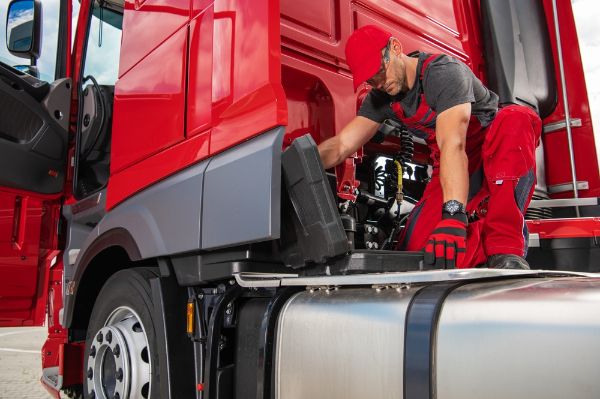
Keeping your semi truck engine in strong condition is essential for long-term performance and reliability. A well-maintained engine not only runs smoother but also helps prevent unexpected downtime and keeps your truck operating at its best. Consistent semi truck maintenance plays a key role in extending engine life and ensuring dependable operation on every route.
Follow a Consistent Maintenance Schedule
One of the most important aspects of semi truck maintenance is sticking to a regular service schedule. Routine oil changes, filter replacements, and fluid checks are essential for protecting engine components from wear. Engine oil lubricates moving parts and reduces friction, which helps prevent overheating and internal damage. Replacing air and fuel filters ensures that clean air and fuel reach the engine, which supports efficient combustion and overall performance.
Checking coolant levels and maintaining the cooling system is equally important. The engine generates significant heat during operation, and the cooling system prevents it from reaching damaging temperatures. Regular inspections help identify leaks or worn components before they lead to serious issues.
Monitor Engine Performance
Paying attention to how your engine performs can help you catch problems early. Changes in sound, vibration, or exhaust output can signal underlying issues. A drop in power or fuel efficiency may indicate clogged filters, injector problems, or airflow restrictions.
Modern semi trucks are equipped with diagnostic systems that provide valuable data about engine health. Monitoring these systems and addressing warning indicators promptly can prevent minor concerns from developing into major repairs. Keeping an eye on engine temperature and oil pressure is also critical for maintaining optimal performance.
Use Quality Fluids and Parts
Using high-quality engine oil, coolant, and replacement parts is essential for extending engine life. Quality fluids are designed to withstand the demands of heavy-duty engines and provide better protection against heat and wear. Inferior products can break down more quickly and reduce the effectiveness of your maintenance efforts.
When replacing parts, choosing components that meet or exceed manufacturer specifications ensures compatibility and durability. This applies to filters, belts, hoses, and other engine components that play a role in overall performance.
Maintain Proper Driving Habits
Driving habits have a direct impact on engine longevity. Avoiding excessive idling, rapid acceleration, and hard braking can reduce unnecessary strain on the engine. Gradual acceleration allows the engine to build power smoothly, which helps minimize wear on internal components.
Allowing the engine to warm up before heavy use is another important practice. This ensures that oil circulates properly and reaches all necessary parts. Likewise, giving the engine time to cool down after long hauls can help prevent heat-related stress.
Keep the Engine Clean
A clean engine operates more efficiently and is easier to inspect for potential problems. Dirt and debris can accumulate over time and affect components such as sensors and belts. Regular cleaning helps maintain proper airflow and cooling, which supports overall engine health.
Routine inspections during cleaning can also reveal early signs of wear, leaks, or damage. Addressing these issues promptly helps maintain consistent performance and extends the life of your semi truck engine.